
Window Types
Bay Windows
Bay Windows: Create Architectural Drama While Adding Functional Living Space
Bay windows represent one of home remodeling’s most transformative upgrades, combining expanded interior square footage with dramatically enhanced natural lighting and architectural distinction. These three-panel window systems project outward from exterior walls, creating dimensional interest that captivates from both inside and outside your home. From creating cozy breakfast nooks to establishing stunning focal points in living rooms, bay windows deliver measurable value through increased space, energy efficiency improvements, and exceptional return on investment that can reach 80-95% according to recent market data.

Architectural Design and Configuration Explained
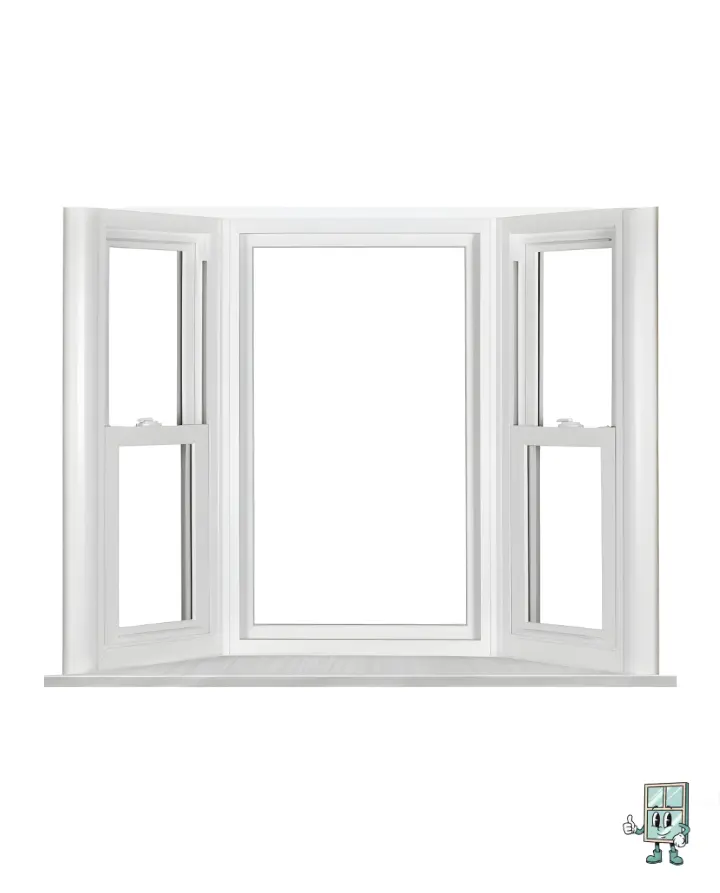
The defining characteristic of bay windows involves their multi-panel projecting construction. Unlike flat windows flush with exterior walls, bay windows extend outward into three-dimensional space, typically featuring a large fixed center panel flanked by two angled side windows. The side panels typically angle at 30 or 45 degrees from the wall plane, though 90-degree box bay configurations exist for specific architectural applications.
This outward projection serves dual purposes. Externally, it creates architectural depth and visual interest that distinguishes homes from standard rectangular facades. Internally, the projection adds actual usable floor space without requiring full room additions or foundation expansions. This incremental square footage proves surprisingly valuable, typically adding 10-15 square feet depending on projection depth and overall window width.
Panel Configuration Options: The three-panel standard represents just the starting point for bay window designs. Homeowners can customize which panels operate and which remain fixed based on ventilation requirements and budget considerations. Common configurations include fixed center panels with operable casement side windows, all fixed panels for maximum energy efficiency and minimal cost, or double-hung side panels for traditional aesthetics and easy interior cleaning access.
Each operable panel adds $150-400 to overall costs compared to fixed glass, but the ventilation capability and functional flexibility typically justify this incremental investment. Casement side windows offer maximum airflow when opened fully, while double-hung panels provide traditional character particularly appropriate for colonial and craftsman architectural styles.
Installation Complexity and Structural Considerations
Bay window installations range from straightforward replacements of existing bay units to complex conversions requiring significant structural modifications. Understanding these variations helps homeowners budget accurately and avoid mid-project surprises.
Like-for-Like Replacements:
Replacing existing bay windows with new units represents the simplest scenario. The structural framework, exterior siding transitions, and interior finishing already exist, requiring only removal of old windows and installation of new units. These projects typically cost $2,000-5,500 depending on window size, material selection, and glass package specifications.
Professional installers verify existing structural support remains adequate, ensure proper shimming and leveling, seal all penetrations against water infiltration, and integrate new windows seamlessly with existing finishes. Installation timelines typically span 1-2 days for single bay window replacements.
Conversion Installations:
Converting standard flat windows to bay windows involves substantially more complexity and expense. Structural modifications include reframing wall openings to accommodate projecting units, installing support systems carrying load around the projection, modifying exterior siding, trim, or masonry, integrating new interior seat boards and finishing, and potentially obtaining building permits and engineering review.
These conversion projects typically range from $4,000-10,000 or more depending on structural requirements, exterior material matching challenges, and interior finishing complexity. Larger projection depths, dramatic angles, and second-story installations increase both material and labor costs proportionally.
Many municipalities require building permits and occasionally structural engineering drawings when altering load-bearing walls or creating projections affecting setback requirements. Budget at least $500 for engineering review on complex projects, more for challenging structural situations.
Material Selection Impact on Performance and Cost
Frame material selection significantly influences both initial investment and long-term performance. Each material offers distinct advantages and limitations that suit different applications and budgets.
Vinyl Bay Windows:
Vinyl represents the most popular bay window frame material, chosen for affordability, low maintenance, and reliable performance. Quality vinyl never requires painting, resists moisture and insect damage, and maintains appearance throughout decades of service. Modern vinyl formulations incorporate UV stabilizers preventing fading and degradation even under intense sun exposure.
Cost-conscious homeowners appreciate vinyl’s favorable pricing, typically ranging $1,000-3,500 for complete bay window units before installation. This affordability allows families to upgrade multiple windows or allocate savings toward premium glass packages maximizing energy efficiency.
Wood Bay Windows:
Traditional wood frames offer timeless beauty and authentic character particularly appropriate for historic homes or premium new construction. Wood accepts stain and paint finishes allowing perfect color matching with interior decor and exterior architectural elements.
However, wood requires periodic maintenance including repainting or refinishing, proves vulnerable to moisture damage without proper sealing, and costs substantially more than vinyl alternatives. Wood bay windows typically range $5,000-8,000, with custom large units potentially exceeding $10,000.
Composite and Fiberglass Options:
Advanced composite materials and fiberglass frames combine wood’s aesthetic appeal with vinyl’s durability and low maintenance requirements. These premium materials offer superior strength supporting large glass expanses, exceptional dimensional stability preventing warping or swelling, and resistance to moisture, insects, and temperature extremes.
Pricing positions these materials in the mid-to-upper range, typically competing with premium vinyl or entry-level wood pricing depending on specific products and manufacturers.
Customization for Perfect Integration
Bay windows accommodate extensive customization ensuring perfect integration with existing architecture and personal aesthetic preferences.
Angle Variations:
Standard 30-degree and 45-degree side panel angles suit most applications, but specialized configurations exist for unique situations. Box bay windows with 90-degree angles create rectangular projections maximizing interior space but offering less exterior architectural drama. Sharper angles create more pronounced projections with stronger visual impact but potentially less usable interior square footage.
Seat Board and Finishing Options:
Interior seat boards spanning the bay window base require finish selections coordinating with room decor. Options include natural wood stains showcasing grain patterns, painted finishes matching trim or walls, laminate or solid surface materials for easy cleaning, and custom upholstered cushions creating comfortable seating.
Exterior Roof Systems:
Bay window roofs require weatherproofing and aesthetic consideration. Asphalt shingle roofs match existing home roofing, metal roofing systems offer longevity and modern aesthetics, and integrated trim packages create seamless transitions to existing siding.
Professional Installation Ensures Success
While experienced DIYers occasionally tackle bay window installations, most homeowners benefit substantially from professional expertise. Complex structural requirements, waterproofing criticality, weight management for large glass units, and precise alignment requirements all demand specialized knowledge and equipment.
Window installation near you provide comprehensive services including accurate measurement and assessment, structural evaluation and modification recommendations, building permit acquisition when required, expert installation with proper flashing and sealing, interior and exterior finishing coordination, and warranty coverage for materials and workmanship.
Installation timelines vary based on project complexity. Simple replacements complete within one or two days, while complex conversions requiring structural modifications may extend three to five days depending on scope and weather conditions.
Making the Smart Investment Decision
Bay windows represent significant investments delivering multiple returns. Homeowners considering bay window installations should evaluate current home value and neighborhood comps, planned occupancy duration affecting ROI calculations, specific rooms benefiting most from added space and light, budget allocation between materials, glass packages, and finishing, and energy efficiency priorities influencing glass selection.
Window services near you offer complimentary consultations providing expert guidance on these decisions. Experienced specialists assess your specific situation, explain available options with transparent pricing, provide installation timelines and logistics details, and answer questions ensuring confident decision-making.
FREQUENTLY ASKED QUESTIONS (FAQ)
Do bay windows add value to a home?
Yes, bay windows consistently deliver exceptional return on investment. According to 2024-2025 market data, bay window installations achieve 70-95% ROI, substantially exceeding the 60-70% average for standard window replacements. Bay windows add 10-15 square feet of usable living space, dramatically enhance natural lighting and curb appeal, improve energy efficiency reducing utility costs, and create stunning architectural focal points that differentiate properties in competitive markets. Well-designed bay windows can achieve 95-100% cost recovery, particularly in markets where architectural distinction commands premium pricing.
What rooms are best for bay windows?
Living rooms and family rooms benefit tremendously from bay windows creating dramatic focal points and comfortable seating areas. Kitchen bay windows establish breakfast nooks with abundant natural light and outdoor views during meal preparation and casual dining. Dining rooms utilize bay window alcoves for intimate table placement surrounded by windows. Master bedrooms incorporate bay windows for reading nooks or vanity areas with exceptional natural lighting. Home offices position desks within bay window projections capturing natural daylight that reduces eye strain and enhances productivity.
How energy efficient are bay windows?
Modern bay windows with Low-E glass coatings and argon gas fills deliver excellent energy efficiency comparable to premium flat windows. ENERGY STAR certified double-pane bay windows save $27-197 annually on utility bills, accumulating thousands in savings over 20-30 year lifespans. Triple-pane options reduce heat loss by up to 40% compared to double-pane units, proving particularly valuable in extreme climates. Bay windows account for proper installation with weathertight sealing preventing air infiltration. Energy-efficient bay windows can reduce heating and cooling costs by up to 20% while providing abundant natural lighting that decreases electrical usage during daylight hours.
Can I install a bay window myself or do I need a professional?
Professional installation is strongly recommended for bay windows due to significant structural complexity. Bay window installations require structural evaluation and potential wall reframing, precise load distribution around projecting units, expert waterproofing and flashing integration, exterior siding or masonry modifications, interior seat board construction and finishing, and often building permits with potential engineering review. Professional installers possess specialized equipment for safely handling large heavy units, knowledge of local building codes and permit requirements, experience ensuring proper water management and weatherproofing, warranty coverage protecting your investment, and typical project completion within 1-5 days depending on complexity.
Invest in Comfort and Performance with Bay Windows
Ready to transform your home with stunning bay windows that add space, light, and value? Contact window installation near you today to schedule your free in-home consultation.
Request your detailed proposal and explore financing options making this transformative upgrade more affordable than you might expect.