

Nashville Spring Storms and What They Do to Your Windows
Spring in Nashville brings more than blooming dogwoods and warmer temperatures. It also brings severe thunderstorms, damaging hail, and strong wind events that can leave homeowners dealing with a serious damage window situation before the season even hits its peak. Understanding how storms affect your windows, and what steps you can take before, during, and after an event, can save you thousands of dollars in repairs and energy costs.
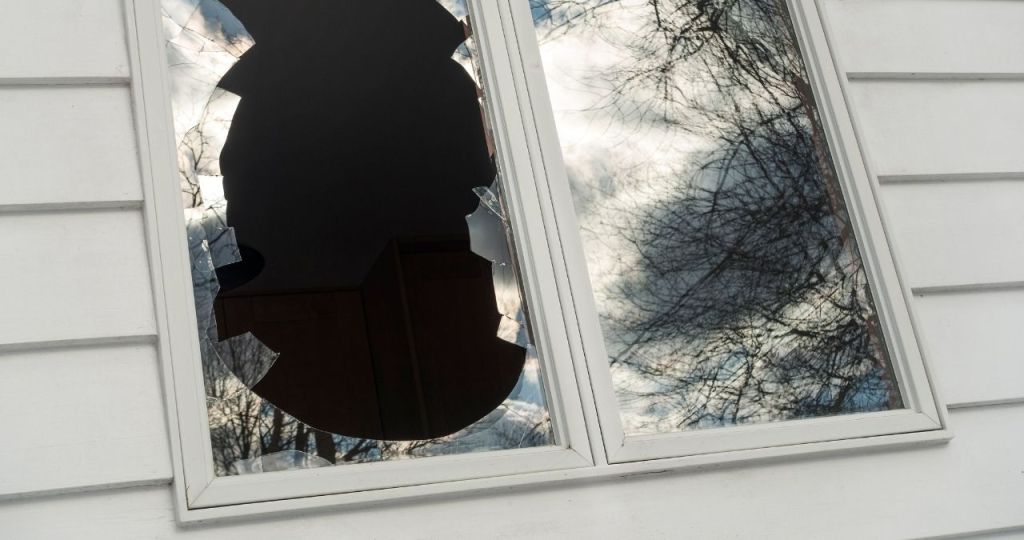
How Nashville’s Spring Weather Creates Window Vulnerabilities
Nashville sits in a geographic corridor that funnels severe weather up from the Gulf of Mexico every spring. The city sees an average of 50 or more thunderstorm days per year, and tornado warnings are not uncommon between March and June. That pattern creates a repeating cycle of stress on your home’s windows that is easy to underestimate until something breaks.
The main weather events that affect windows in Middle Tennessee include:
- Hail storms: Even quarter-sized hail can chip away at window frames, crack seals, and leave micro-fractures in glass that expand over time.
- High winds: Nashville regularly sees straight-line winds above 50 mph during severe thunderstorm events. Sustained wind at that speed can flex window frames, compromise weatherstripping, and drive rain directly into gaps around the glass.
- Flying debris: Tree branches, roof shingles, and airborne objects become projectiles in high-wind events and are one of the most common causes of broken glass.
- Rapid temperature swings: Spring nights in Nashville can drop below 40°F while afternoons hit 75°F. That thermal cycling expands and contracts glass and frame materials, which weakens seals over repeated seasons.
- Heavy rain saturation: Prolonged rainfall can work into compromised seals around window frames, leading to wood rot, mold growth, and interior water intrusion.
Each of these factors alone can cause minor damage. Combined over a single severe storm season, they can accelerate the aging of even relatively newer windows significantly.
Spotting the Signs of a Damage Window After a Storm
After any significant storm event, a thorough inspection of every window in your home is a critical first step. Many homeowners miss subtle signs of damage that only get worse over time. Knowing what to look for makes a real difference.
Visual cracks and chips: Even small cracks in the glass pane are serious. A chip at the corner or edge of a window can propagate across the full pane with one more temperature swing. Run your hand carefully around the glass perimeter and inspect with a flashlight in low light to catch hairline fractures.
Frame warping and separation: After a wind event, check whether the frame still sits flush against the wall on all four sides. Any visible gap or separation between the frame and the surrounding trim indicates the window has shifted under pressure.
Seal failure: This is one of the most common and most overlooked forms of storm-related damage. When the insulating seal between double-pane glass fails, moisture infiltrates the space between the panes, causing foggy windows nashville homeowners know all too well. That fogginess is not just cosmetic. It means your window has lost a significant portion of its insulating value, and energy costs will rise accordingly.
Drafts and air infiltration: After a storm, hold your hand near the frame edges on a windy day. Any detectable airflow means your window’s weatherstripping or seal has been compromised.
Water staining on sills and walls: If you see water marks on the interior sill or on the drywall below a window, the frame has allowed water infiltration. Left unaddressed, this leads to mold, structural rot, and increasingly expensive repairs.
Pre-Storm Prevention: Protecting Windows Before Damage Happens
The most cost-effective approach to managing storm-related window damage is prevention. Nashville homeowners who take a few hours each spring to inspect and prepare their windows dramatically reduce the chance of expensive repairs after a major weather event.
A strong starting point is following a structured 10 spring window checklist for nashville homeowners that covers everything from checking caulk lines to testing hardware. That kind of systematic review catches the small issues before a storm turns them into major ones.
Here are the key preventive steps worth taking each spring:
Re-caulk around frames: Over a typical winter, caulk around window frames dries out and cracks. Applying a fresh bead of exterior-grade silicone caulk before storm season seals out water intrusion at the most vulnerable points.
Inspect and replace weatherstripping: Weatherstripping deteriorates faster than most homeowners realize. Press your finger against the weatherstripping on each window. If it doesn’t spring back, it has lost its effectiveness and needs replacing.
Trim trees near windows: A large branch hanging over a window is a liability during any storm. Pruning back trees on the south and west sides of your home, where most severe Nashville storms approach from, reduces the flying debris risk significantly.
Check and tighten window hardware: Loose locks, worn hinges, and failing balancers all allow windows to flex more than they should under wind pressure. Tightening hardware is a five-minute job that can prevent a frame from blowing inward during a high-wind event.
Consider storm-rated glazing for high-risk windows: Windows on the south or west face of a Nashville home take the most punishment. Impact-resistant glazing adds a meaningful layer of protection and may also qualify for a homeowner’s insurance discount.
When Prevention Is Not Enough: Repair vs. Replacement
Even with good maintenance habits, sometimes a storm delivers enough force to push a window beyond repair. Understanding the difference between a repairable window and one that genuinely needs full replacement helps you avoid being oversold on unnecessary work and also helps you avoid under-spending on a window that is no longer structurally sound.
| Condition | Repair or Replace? | Estimated Cost Range |
|---|---|---|
| Hairline crack in single pane | Repair (glass replacement only) | $75 to $200 |
| Broken seal, foggy double-pane | Replace sash or full unit | $150 to $400 per window |
| Cracked or rotted wood frame | Replace full window unit | $300 to $800+ |
| Warped or bowed vinyl frame | Replace full window unit | $250 to $700 |
| Impact damage to tempered glass | Replace glass unit | $200 to $500 |
| Structural damage to surrounding wall framing | Replace window + structural repair | $1,000+ |
The general rule is straightforward: if the frame itself is compromised or warped, repair alone will not restore the window’s energy efficiency or weather resistance. That is when window replacement becomes the more practical and cost-effective long-term choice compared to patching a unit that will continue to fail.
Insurance Claims and Window Damage in Tennessee
If a storm causes a damage window situation in your home, a homeowner’s insurance claim may cover part or all of the repair or replacement cost. However, the process requires some preparation on your part to be effective.
Document everything immediately: Take photos and video of every damaged window before any temporary repairs are made. Date-stamp your images. Insurance adjusters work from documentation, and the more thorough yours is, the smoother your claim will go.
File promptly: Tennessee allows insurers to set their own claim filing deadlines in policy language, but waiting too long after a storm can complicate your claim. File as soon as possible after the damage occurs.
Understand your deductible: Most homeowner policies in Tennessee carry a separate wind and hail deductible, often expressed as a percentage of your home’s insured value rather than a flat dollar amount. On a $350,000 home, a 1% wind/hail deductible means you pay the first $3,500 out of pocket.
Get a written estimate from a licensed contractor: Insurance adjusters may use their own pricing, which sometimes comes in below real-world contractor rates. Having an independent written estimate strengthens your position when negotiating the claim value.
Check for manufacturer warranties: Some window manufacturers offer limited warranties that cover seal failure and certain types of glass damage. Before filing an insurance claim, check whether the issue falls under any existing warranty coverage, since that may be a simpler and faster resolution.
Things to Know
- Hail damage to window frames is often invisible to the eye immediately after a storm but becomes apparent over the following weeks as sealants fail and cracks expand.
- Nashville’s spring storm season typically peaks between March and May, which means the time to inspect and prep windows is late February or early March.
- A foggy double-pane window that developed fog after a storm likely had a pre-existing seal weakness that the storm accelerated. It is not always storm damage in the insurance sense of the term.
- Vinyl frames are more resistant to rot than wood but can warp permanently under extreme heat or impact, making replacement more likely than repair after significant damage.
- Window screens provide minimal protection against storm damage to the glass or frame but do help reduce debris velocity slightly.
- Many Nashville homeowners overlook storm door glass when inspecting after a weather event, but storm door panels are just as vulnerable as primary window glass.
Frequently Asked Questions
Q: How do I know if my window seal broke during a storm or just from age?
Storm-related seal failure typically happens quickly after a high-impact event, while age-related failure develops gradually over months or years.
If you noticed fogging or condensation between the panes within a week or two of a named storm event, that is strong evidence the storm caused or accelerated the failure. Document the timing carefully if you plan to file an insurance claim, since timing relative to the storm date matters to adjusters.
Q: Can I temporarily cover a damaged window myself after a storm?
Yes, temporary boarding or plastic sheeting over a broken window is acceptable and often necessary to prevent interior water damage while waiting for repairs.
Use exterior-grade plastic sheeting or plywood cut to fit the opening, and secure it with construction tape or screws into the surrounding trim, not the frame itself. Keep your temporary fix in place for the shortest time possible, since it is not a substitute for a proper repair and can trap moisture against the frame.
Q: Does homeowner’s insurance cover window damage from hail in Tennessee?
Most standard homeowner’s insurance policies in Tennessee cover hail damage to windows as part of their dwelling coverage.
However, your wind and hail deductible may apply separately and is often higher than your standard deductible. Review your policy documents carefully and contact your agent directly after any significant hail event to understand exactly what your coverage includes before spending money on repairs.
Q: Is it worth replacing all windows at once after a major storm, even if only a few are visibly damaged?
If your home has older windows and multiple units show damage, replacing all of them at once is often more cost-efficient than replacing damaged units piecemeal over several years.
Bulk replacement reduces per-window installation labor costs, allows for consistent energy efficiency across all openings, and typically qualifies for better contractor pricing. Get a quote for full replacement alongside spot repairs to compare the real cost difference before making your decision.
Q: What window materials hold up best to Nashville’s spring storms?
Fiberglass and impact-resistant vinyl frames consistently outperform standard vinyl and wood frames in high-wind and hail conditions common to Middle Tennessee.
Fiberglass expands and contracts less with temperature changes, which protects the seal integrity over time. Impact-resistant laminated glass adds protection against flying debris. If you are replacing windows in a storm-prone area of your home, these material upgrades are worth the additional upfront cost.Regenerate section
The Bottom Line on Damage Window Issues in Nashville
Dealing with a damage window after a Nashville spring storm is stressful, but it does not have to be overwhelming. The key is acting quickly: inspect thoroughly right after the storm, document everything before touching the damage, and make informed decisions about whether repair or full replacement makes more sense for your specific situation.
Do not wait for the next storm season to assess your windows. Schedule a full inspection this spring, address any weaknesses you find, and make sure your home is ready for what Middle Tennessee weather delivers. Start with a professional assessment from a local window specialist who understands the specific conditions Nashville storms create, and get a written quote before committing to any work.