

Your Nashville Home Window Upgrade Roadmap: From First Inspection to Final Install
A window upgrade replaces aging, inefficient, or damaged windows with modern units designed to improve energy performance, comfort, and curb appeal. For Nashville homeowners, the right timing, product selection, and installation process can make the difference between a smooth project and a costly mistake.
Things to Know
- The federal Energy Efficient Home Improvement Credit caps window-related savings at $600 per year, so if you are replacing many windows at once, spreading the project across two tax years can help you maximize what you claim.
- Not every window labeled “energy efficient” automatically qualifies for federal tax credits. Always confirm the specific product meets ENERGY STAR requirements for your climate zone before purchasing.
- Insert replacement windows are faster and less expensive than full-frame replacements, but they are only appropriate when existing frames are structurally sound and free of rot or water damage.
- Demand for replacement windows dipped in recent years, falling 8% in 2023 and a further 5% in 2024, according to the FGIA 2024/2025 Market Study. That softer demand can give you more negotiating room with contractors in 2026.
- Warranty terms vary widely between manufacturers. Some brands offer lifetime transferable warranties, which add real value if you plan to sell your home within the next several years.
- Low-E glass coatings are particularly beneficial in Nashville’s mixed climate, reducing solar heat gain in summer while retaining interior warmth during winter months.
Why Nashville Homeowners Are Prioritizing Window Replacement in 2026
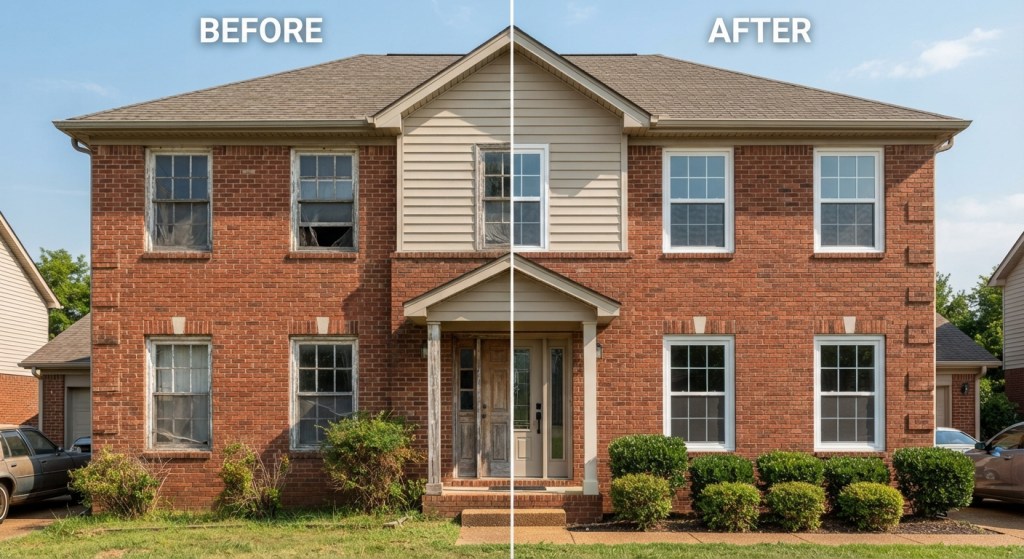
Nashville’s climate puts windows through a real workout. Humid summers, cold snaps in January, and wide temperature swings between seasons accelerate wear on frames, seals, and glazing. If your windows are fogging between panes, letting in drafts, or showing visible rot or warping, those are signals that replacement is overdue rather than optional.
The financial case is compelling too. According to a November 2025 survey by This Old House, 95% of homeowners feel satisfied with their replacement windows, and nearly 89% reported a reduction in monthly energy bills, with most saving $25 to $50 per month. That kind of consistent savings adds up over a decade of Tennessee seasons.
The broader market reflects growing demand. The U.S. windows and doors market is projected to grow from $42.06 billion in 2025 to $69.87 billion by 2035, at a compound annual growth rate of 5.26% (Market Research Future, 2025). The window replacement and installation segment alone is estimated at $12.5 billion in 2024, expected to reach $20.1 billion by 2033 (Real Time Market Analytics, 2024). In practical terms, this means more product choices and more contractors competing for your business, which gives you leverage as a buyer.
The most common reasons homeowners replace windows include damaged frames or sills (37%), energy savings goals (20%), and persistent indoor temperature problems (12%). If any of those match your situation, you are not alone, and the solutions available in 2026 are more effective than they have ever been.
What to Look for During Your Initial Window Inspection
Before you call a contractor, walk through your home and assess each window yourself. A thorough self-inspection takes about 30 minutes and gives you the information you need to have an informed conversation with any installer you bring in.
Check for these signs that replacement is warranted:
- Condensation or fogging inside the glass panes, which indicates a failed seal
- Visible rot, warping, or cracking in the frame or sill
- Drafts you can feel with your hand placed near the edge of the closed window
- Difficulty opening, closing, or locking the window
- Excessive outside noise coming through even when the window is shut
- Peeling paint or water stains on surrounding drywall, which often signal leaks
For a structured approach, reviewing a 10 spring window checklist for nashville homeowners can help you work through each window systematically and document what you find.
Once you have a clear picture of which windows need attention, you can prioritize. If budget is a concern, start with the windows facing south and west, since those receive the most direct sun and typically drive the highest heating and cooling losses.
Choosing the Right Window Type and Frame Material
Not all replacement windows are built the same. Your choice of window style and frame material will affect performance, maintenance requirements, aesthetics, and cost. Here is how the main options stack up:
| Window Type | Best For | Average Cost Per Unit | Maintenance Level |
|---|---|---|---|
| Double-hung | Whole-home replacement | $300 to $700 | Low |
| Casement | Ventilation, side walls | $400 to $900 | Low to medium |
| Picture/fixed | Views, light, living rooms | $250 to $600 | Very low |
| Sliding | Wide openings, bedrooms | $350 to $750 | Low |
| Bay or bow | Living rooms, curb appeal | $1,000 to $4,500 | Medium |
Double-hung windows remain the most popular choice. According to the Fixr Windows and Doors Report 2025, 44% of industry experts identified double-hung as the most requested window type over the past year.
For frame materials, vinyl is the most common choice in Nashville for its balance of durability, insulation value, and low price point. Fiberglass frames offer superior strength and are better suited to extreme temperature swings. Wood frames provide authentic character in historic or high-end homes but require more upkeep. Aluminum is strong and slim but conducts heat more readily, making it a less efficient option for Tennessee’s climate.
When evaluating brands, focus on energy ratings from ENERGY STAR certified windows and look for the National Fenestration Rating Council (NFRC) label, which gives you standardized U-factor and solar heat gain coefficient (SHGC) data across competing products.
Understanding the Full Cost of a Window Replacement Project
Budgeting accurately is one of the most important steps in planning a replacement project. The average cost of a replacement window is $517 per unit, with the average homeowner spending $7,183 per project, according to the This Old House 2026 survey. For a full breakdown specific to Middle Tennessee pricing, reviewing window replacement cost nashville tn gives you a realistic local baseline before you start collecting bids.
Several factors push costs up or down:
- Window size and style: Larger or more complex windows like bay units cost significantly more than standard double-hung sizes.
- Frame condition: If existing frames are rotted or structurally compromised, full-frame replacement costs more than a simple insert swap.
- Number of windows: Contractors often discount larger projects.
- Labor rates: Nashville-area labor rates vary by contractor, crew experience, and season.
- Glass package: Low-E coatings, argon gas fills, and triple-pane glazing add to unit cost but reduce long-term energy bills.
If upfront cost is a barrier, exploring financing options can spread the expense across manageable monthly payments while still letting you move forward with the project.
Ask any contractor you interview for a written, itemized estimate that separates material costs from labor costs. That transparency makes it easier to compare bids side by side and spot any quote that seems unusually high or suspiciously low.
Timing Your Project: When to Schedule for Best Results
Timing a window replacement in Nashville involves balancing weather conditions, contractor availability, and pricing cycles. Fall and spring tend to be ideal: temperatures are moderate, installers can seal and flash openings without fighting extreme heat or cold, and some contractors offer lower rates during these shoulder seasons.
For a deeper look at seasonal considerations, reading about the best time to replace windows in nashville helps you understand how local weather patterns interact with installation quality and curing times for sealants and caulk.
Avoid scheduling large replacement projects in January or August if possible. Mid-winter cold can interfere with caulk adhesion, and peak summer heat creates challenges for both the crew and the materials being installed.
What to Expect During the Installation Process
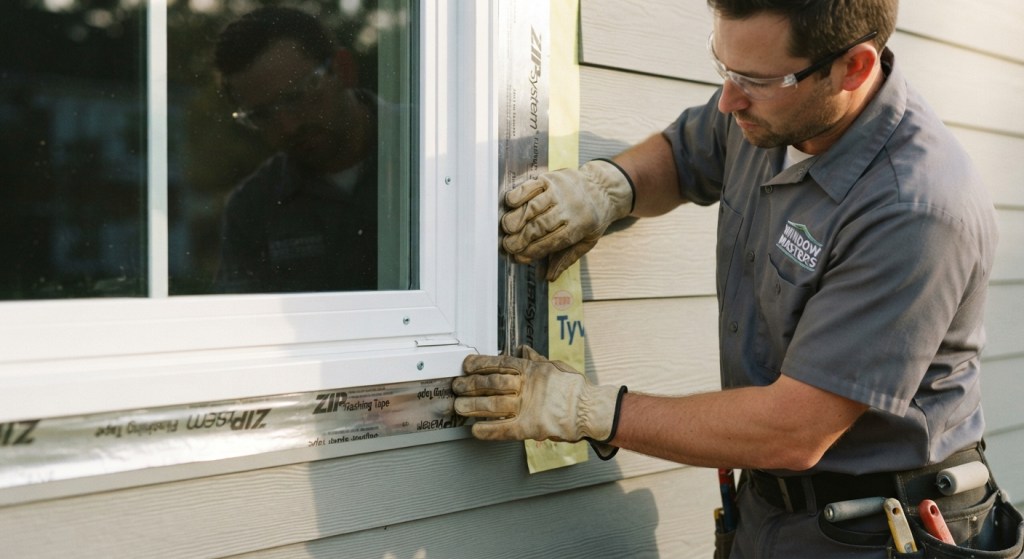
Understanding what happens on installation day reduces surprises and helps you prepare your home correctly. The typical window installation process follows a consistent sequence regardless of window type:
- Measurement verification: The crew re-measures each opening before removing anything to confirm the ordered units will fit correctly.
- Old window removal: Existing windows are carefully removed. Insert replacements leave the original frame intact; full-frame replacements strip back to the rough opening.
- Opening inspection: Installers check for rot, water damage, or structural issues in the rough opening before proceeding.
- New window fitting: The replacement unit is positioned, leveled, and shimmed for a precise fit.
- Flashing and sealing: Proper flashing tape and caulk application around the exterior perimeter prevents future water intrusion.
- Insulation: Gaps between the window unit and rough opening are filled with low-expansion foam or appropriate insulation.
- Interior finishing: Trim is reinstalled or replaced, and interior caulk lines are finished cleanly.
- Final inspection: Each window is tested for smooth operation, lock function, and visible gaps before the crew leaves.
A professional crew typically completes one to three windows per hour depending on complexity. A full 12-window home replacement is usually a two-day project.
Tax Credits and Incentives Available in 2026
Federal tax incentives make a window upgrade more affordable in 2026. Under the Inflation Reduction Act, the Energy Efficient Home Improvement Credit allows homeowners to claim 30% of the cost of qualifying energy-efficient windows, up to a $600 annual cap. To qualify, windows must meet ENERGY STAR requirements for your climate zone.
This credit is non-refundable, meaning it reduces your tax liability dollar for dollar but does not generate a refund if it exceeds what you owe. Keep all receipts and product documentation from your installer, and confirm eligibility with a tax professional before filing.
According to the HIRI 2025 Government Incentives and Energy Retrofit Study, 48% of respondents had completed energy-efficient window installations in the past five years, and another 21% were planning to upgrade within the next 12 months. Federal incentives are a clear driver of that activity. For current eligibility details, the IRS guidance on energy credits provides authoritative information on what qualifies and how to claim it.
Some Tennessee utility providers and local governments also offer rebate programs that stack on top of the federal credit. Contact Nashville Electric Service or your specific provider to check for current offers.
Selecting a Qualified Installer in Nashville
Product quality only matters if installation is executed correctly. A poorly installed premium window will underperform a mid-grade window installed by a skilled crew. When vetting contractors in Nashville, focus on these factors:
- Verify the contractor holds a valid Tennessee contractor’s license through the Tennessee Department of Commerce and Insurance.
- Confirm they carry general liability and workers’ compensation insurance.
- Ask for references from Nashville-area projects completed in the past 12 months.
- Request a written warranty covering both the product and the installation labor separately.
- Get at least three itemized quotes before committing.
Avoid contractors who pressure you toward a same-day decision, offer a price that seems dramatically below competitors without explanation, or cannot provide proof of insurance and licensing on request.
According to the HIRI 2025 Annual U.S. Homeowner Project Activity Tracker, 10% of respondents had purchased windows in the past 90 days for a home project, reflecting the steady pace of replacement activity. With that much demand in the market, qualified contractors are busy but accessible if you plan ahead and reach out at least four to six weeks before your target installation date.
Nashville Window Company brings local expertise to every phase of the process, from initial inspection through final caulk line, with crews who understand the specific demands of Middle Tennessee homes.
Key Takeaways
- Replacement windows cost an average of $517 per window, with most projects totaling around $7,183 (This Old House, 2026).
- Nearly 89% of homeowners report lower monthly energy bills after replacing their windows, with most saving $25 to $50 per month (This Old House, November 2025).
- The federal Energy Efficient Home Improvement Credit can cover up to 30% of qualifying window costs, capped at $600 per year.
- Double-hung windows are the most requested type, cited by 44% of industry experts (Fixr Windows and Doors Report 2025).
- Spring and fall are typically the best seasons to schedule installation, both for pricing and weather conditions in Nashville.
- Getting at least three quotes and confirming installer credentials protects you from inflated bids and substandard work.
The Bottom Line on Your Nashville Window Upgrade
A well-planned window upgrade improves your home’s energy performance, comfort, and resale value in ways that are felt every single day. Whether you are dealing with one problem window or planning a full 12-window replacement, the process goes more smoothly when you move through it in the right order: inspect first, choose your product and frame material carefully, get multiple itemized quotes, confirm your installer’s credentials, and take advantage of the federal tax credit before the calendar year closes.
Nashville Window Company is ready to walk you through every step, from that first inspection to the final trim installation. Contact the team today to schedule a free in-home assessment and get a transparent, itemized quote tailored to your home’s specific needs.
Frequently Asked Questions
Q: Are new windows tax deductible in 2026?
New windows are not tax deductible in the traditional sense, but they may qualify for a federal tax credit worth up to 30% of the cost, capped at $600 per year.
Under the Inflation Reduction Act’s Energy Efficient Home Improvement Credit, qualifying ENERGY STAR-certified replacement windows installed in your primary residence can reduce your federal tax liability dollar for dollar. This is a credit rather than a deduction, which means it directly lowers the amount of tax you owe rather than reducing your taxable income. Keep all product documentation and receipts, and consult a tax professional to confirm your specific windows meet the eligibility requirements before filing.
Q: What is the cheapest time of year to buy windows?
Late fall and winter, particularly between November and February, tend to offer the lowest prices on replacement windows as contractor demand slows and some manufacturers run promotional pricing.
During slower seasons, installers are more likely to negotiate on labor rates and may pass along manufacturer discounts to secure bookings. That said, scheduling installation in the coldest months carries trade-offs: very low temperatures can affect how sealants and caulk cure around the new frames. If you want the best combination of competitive pricing and favorable installation conditions in the Nashville area, early spring and late fall hit a practical sweet spot worth targeting.
Q: What is the average cost to replace 12 windows in a home?
Based on an average cost of $517 per window (This Old House, 2026), replacing 12 windows would run approximately $6,200 in materials alone, with full project costs typically landing between $7,000 and $10,000 depending on window type, frame condition, and labor.
The This Old House 2026 survey places the average total project spend at $7,183, which aligns closely with a 12-window replacement at standard double-hung sizing. Costs rise when windows are larger than standard, when full-frame replacement is required due to rotted frames, or when premium glass packages such as triple-pane or laminated glazing are selected. Getting itemized quotes from at least three licensed Nashville-area contractors gives you the most accurate picture for your specific home.
Q: Is it worth replacing 20 year old windows?
Yes, in most cases replacing 20-year-old windows is worth the investment, particularly if you are experiencing drafts, fogging between panes, rising energy bills, or visible frame deterioration.
Windows from the early 2000s were manufactured to significantly lower energy performance standards than what is available in 2026. Modern low-E coatings, argon gas fills, and improved frame designs deliver measurable reductions in heating and cooling load. The November 2025 This Old House survey found that nearly 89% of homeowners reported lower energy bills after replacement, with most saving $25 to $50 per month. Over a decade, that adds up to real money, and the comfort improvements in terms of fewer drafts and more consistent indoor temperatures tend to be immediately noticeable.
Q: What is the best window brand?
There is no single best window brand for every homeowner, but Andersen, Pella, Marvin, and Milgard consistently rank among the most respected manufacturers in the United States based on product quality, warranty terms, and independent reviews.
Andersen and Pella offer broad product lines that span budget-friendly vinyl options up to premium wood and fiberglass units, making them versatile for a wide range of projects. Marvin is particularly well regarded for custom sizing and high-end residential builds, while Milgard has a strong reputation in durability and customer service, especially for vinyl and fiberglass frames. The right brand for your home depends on your budget, the window style you need, and what is available through licensed installers in your area. Always cross-reference any brand’s products against NFRC ratings rather than relying solely on marketing claims.