

Window problems can quietly drain your wallet long before they become visible enough to demand attention. From failed seals to persistent drafts, these issues tend to worsen over time, turning what could have been a minor repair into a full-scale replacement project.
Key Takeaways
- Up to 30% of a home’s heating and cooling energy can be lost through poorly performing windows, according to the U.S. Department of Energy.
- Foggy glass, drafts, stuck sashes, water intrusion, and hardware failure are the five most costly window problems Nashville homeowners routinely ignore.
- Installation quality matters as much as the window itself. Improper flashing, missed seams, and skipped sill protection are leading causes of water damage inside wall cavities.
- Early identification of window issues can keep repair costs low and prevent structural damage like wood rot and mold growth.
- Upgraded windows can reduce outside noise by up to 50%, per EPA data, in addition to energy savings.
- If your windows are 50 years old or older, replacement is almost certainly more cost-effective than continued repairs.
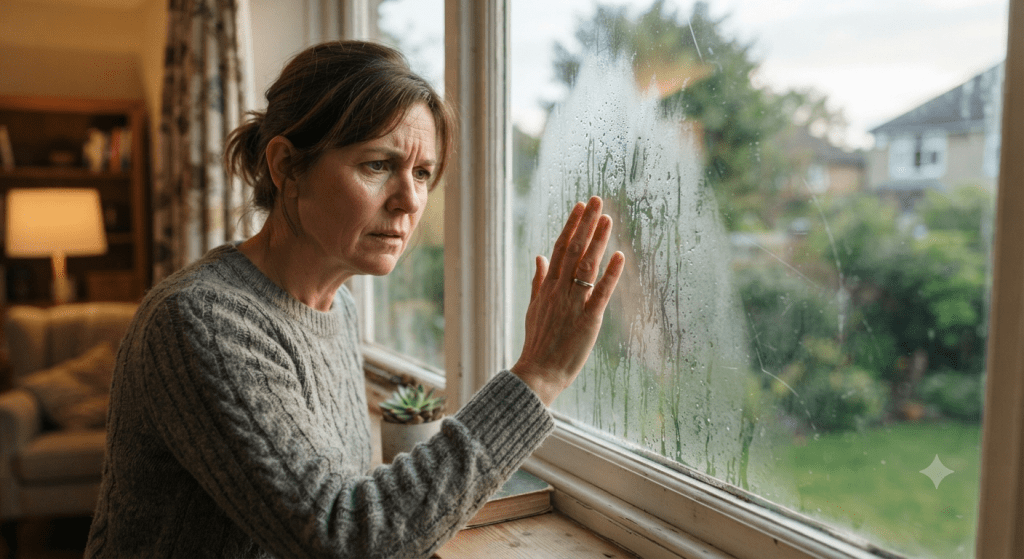
The Hidden Cost of Ignoring Window Issues
Most homeowners in the Nashville area do not think about their windows until a draft becomes unbearable or a water stain appears on the drywall. By that point, what might have cost $150 to fix at the caulking stage could now involve replacing trim, addressing mold, or repairing structural framing. That is the financial reality of deferred window maintenance.
The U.S. Department of Energy reports that up to 30% of a home’s heating and cooling energy can escape through poorly performing windows. In a city like Nashville, where summers routinely push past 90°F and winter heating bills climb, that energy loss translates directly into higher monthly costs. According to Energy Star, replacing single-pane windows with certified energy-efficient models can save homeowners between $100 and $583 per year, depending on climate zone and home size, and this information is thoroughly covered in our blog.
The five problems below are the ones Nashville homeowners most consistently overlook, and the ones that tend to generate the largest repair bills when left unaddressed.
Problem 1: Foggy Glass and Failed Seals
Foggy windows are not just an aesthetic annoyance. When you see a hazy, cloudy appearance between two panes of glass, the seal between those panes has failed. Moisture has entered the insulated glass unit (IGU), and the inert gas fill (usually argon or krypton) that provides thermal resistance has been compromised.
Once a seal fails, the window’s insulating performance drops significantly. You cannot simply wipe the fog away because the moisture is sealed inside the unit. Your options are to replace the IGU itself (which works if the frame is still in good condition) or replace the entire window, and understanding the picture windows pros and cons can help you decide what type of window replacement makes sense for your home.
Many Nashville homeowners ignore foggy glass because the window still appears to function. It opens, it closes, and light still comes through. What they do not realize is that they are paying more in energy bills every month to compensate for the lost insulating performance. Over a few years, that ongoing cost can exceed the price of the repair itself.
Problem 2: Drafts Around Frames and Sashes
Drafts are one of the most reported window problems among homeowners, and they are also one of the most underestimated. A small gap around a frame might let in only a slight breeze, but it also lets in humidity, allergens, and pests. If you are preparing for spring, take note: the how to prep your homes windows for spring allergy season resource from Nashville Window Company covers exactly how drafts and gaps can worsen indoor air quality during high-pollen months.
Drafts come from several sources:
- Worn or missing weatherstripping around the sash
- Cracked or missing caulk around the exterior frame
- Warped frames that no longer sit flush against the opening
- Poor installation that left gaps between the window unit and the rough opening
The fix depends on the source. Fresh weatherstripping and caulk cost very little and can be done in an afternoon. Warped frames, on the other hand, often signal that the window has reached the end of its useful life and needs replacement.

Problem 3: Stuck Windows That Won’t Open or Close Properly
A window that sticks or refuses to open fully is easy to dismiss as a minor annoyance. In reality, it can be a safety hazard and a sign of deeper structural issues. Paint buildup is a common culprit in older Nashville homes, particularly those with original wood frames that have been repainted many times over the decades. Debris accumulation in the track and warped or swollen frames from moisture exposure are also frequent causes.
The safety issue is real: a window that cannot be fully opened may block an emergency exit route. Beyond safety, a window that does not close completely creates a persistent draft and a point of entry for water during heavy rain.
If the sticking is due to paint buildup, careful scoring and cleaning of the channel often resolves it. If the frame has warped due to water damage or age, that is typically a replacement situation. Understanding your options is important, and the new construction windows vs replacement windows breakdown is a useful reference when deciding which approach fits your home’s specific situation.
Problem 4: Water Intrusion and the Damage It Causes Inside Your Walls
Water leakage around windows is one of the most destructive window problems a homeowner can face, largely because the worst of the damage happens out of sight. Water that enters around the window frame can travel down into the wall cavity, soaking insulation, rotting framing lumber, and creating conditions where mold can thrive.
According to the EPA’s guide on mold and moisture, mold can begin growing within 24 to 48 hours of a moisture event. In a humid Nashville summer, a small water intrusion event can create a mold problem inside the wall before you notice any exterior signs of trouble.
Installation quality is the single biggest variable here. As the team at Nashville Window Company explains, the most common issues during window replacement rarely come from the window product itself. They come from shortcuts in prep work, particularly incorrect flashing, missed seams, and skipping sill pan protection. When water cannot drain out properly, it ends up inside the wall cavity instead.
If you are planning an installation or replacement project, check the window installation in franklin tn 2026 page for current service details and what a proper installation process should look like in the Nashville area.
Problem 5: Failing Hardware Nobody Notices Until It Breaks Completely
Window locks, hinges, cranks, and balancers are the components most homeowners never think about until they stop working entirely. A window lock that no longer latches securely is both a security vulnerability and a source of air leakage. A broken balance system in a double-hung window means the sash will not stay up without being propped open.
Hardware failures are often early warning signs that a window is aging beyond cost-effective repair. Replacement hardware parts can be difficult to source for older window brands, and the labor cost to install them sometimes approaches the cost of a new window unit.
Before investing in hardware repairs on aging windows, it is worth reviewing what your windows cover under warranty. The window warranties explained page is a practical resource for understanding what manufacturers typically cover and for how long, which can directly influence whether repair or replacement is the smarter financial decision.
How Window Type Affects Problem Frequency
Not all window styles age the same way or develop the same problems at the same rate. Fixed windows, for example, have no moving parts and therefore avoid most hardware-related failures. However, they also cannot be opened for ventilation. If you are evaluating your options, the picture window style is worth considering for many reasons outlined in our comprehensive guides.
| Window Type | Common Problems | Relative Maintenance Demand |
|---|---|---|
| Double-hung | Balance failure, paint sticking, seal failure | Moderate |
| Casement | Crank failure, seal failure at hinge side | Moderate |
| Picture/fixed | Seal failure, frame deterioration | Low (no moving parts) |
| Sliding | Track debris, latch failure, seal failure | Low to moderate |
| Awning | Hinge wear, crank failure | Moderate |
Understanding which problems are typical for your window style helps you spot them earlier and budget appropriately for maintenance or replacement.
Things to Know
- The Mayo Clinic notes that indoor allergens and pollutants can be significantly affected by how well your home is sealed, making window integrity a health issue, not just an energy issue.
- Over two-thirds of new U.S. homes now install energy-efficient windows, according to industry data, reflecting how central window performance has become to home construction standards.
- The EPA reports that upgraded windows can reduce outside noise transmission by up to 50%, depending on window type and installation quality.
- Water intrusion damage can cost anywhere from $1,500 to $15,000 or more to remediate, depending on the extent of mold and structural damage, making early detection critically important.
- Ignoring minor caulk failures is one of the most common and costly oversights. Recaulking a window typically costs $10 to $30 in materials; the water damage it prevents can cost thousands.
- For more detailed coverage of specific window topics, the Nashville Window Company maintains resources covering a wide range of installation, maintenance, and product selection topics relevant to Tennessee homeowners.
Frequently Asked Questions
Q: What are the common problems with house windows?
The most common window problems include failed seals causing foggy glass, drafts from worn weatherstripping or gaps in caulking, stuck sashes due to paint buildup or warping, water intrusion around frames, and failing hardware like locks, cranks, and balances.
These issues tend to worsen gradually, which is why many homeowners do not notice them until significant damage has already occurred. Routine visual inspections twice a year, ideally in spring and fall, can help you catch problems before they escalate into expensive repairs.
Q: What is the average cost to replace 12 windows in a home?
Replacing 12 windows in a typical U.S. home costs between $8,000 and $24,000, depending on window type, material, size, and installation complexity.
Basic vinyl double-hung windows sit at the lower end of that range, while premium wood or fiberglass windows with specialty glazing can push costs considerably higher. Labor accounts for roughly 25 to 35% of total project cost in most markets, including the Nashville area.
Q: What is the typical lifespan of a window?
Most residential windows last between 15 and 30 years, depending on material, climate exposure, and how well they have been maintained.
Vinyl windows typically perform well for 20 to 40 years with minimal maintenance. Wood windows can last longer if properly painted and sealed, but they require more active upkeep. Aluminum windows are durable but conduct heat and cold, which can accelerate seal failure in extreme climates.
Q: Should 50 year old windows be replaced?
Yes, in virtually every case, windows that are 50 years old should be replaced rather than repaired.
At that age, the frames, glazing, seals, and hardware are all well past their design lifespan. Energy performance will be a fraction of what modern windows provide, and the cumulative cost of ongoing repairs almost always exceeds the cost of new windows within a few years.
Q: How long do residential windows usually last?
Residential windows typically last 15 to 40 years, with the wide range reflecting differences in material quality, installation quality, climate, and maintenance.
Vinyl and fiberglass windows tend to reach the upper end of that range in moderate climates. Windows in high-humidity environments like Nashville may experience seal failures and wood rot on the earlier side, particularly if maintenance has been inconsistent. Regular inspections and minor upkeep can meaningfully extend window lifespan.
The Bottom Line on Window Problems
Window problems rarely announce themselves with urgency. They show up quietly: a slightly foggy pane, a draft you only notice on cold mornings, a lock that does not quite click anymore. The reason these issues cost Nashville homeowners so much money is not that they are inherently expensive to fix early. It is that they tend to be ignored until early becomes late.
The most practical step you can take right now is to walk through your home and inspect each window systematically. Look for condensation between panes, feel for air movement around frames, test every lock and crank, and check exterior caulking for cracks. If you find issues, address them in order of severity. Early-stage problems are inexpensive. Late-stage ones are not. When repairs stop making financial sense, connecting with a qualified local window company to evaluate your replacement options is the logical next move.